04/11/2019
The word “sustainability” gets tossed around quite a bit in popular culture. And, as we gear up for Earth Day 2019—and with all that is going on in the world right now—it might behoove us to be more specific with what being sustainable really entails. This is critical since the true power of sustainability lies within small changes and incremental efforts made by hundreds of millions of people. So, I put together a quick list of 10 tangible ways you can be sustainable in your home and work life, to join the movement that will save our planet:
- Rethink your consumption – unsustainability starts with your purchase decision. If you don’t need it, don’t buy it. Reducing consumption is the number one way to help the environment.
- Choose to reuse – used products can be just as good—and cheaper—than a new model.
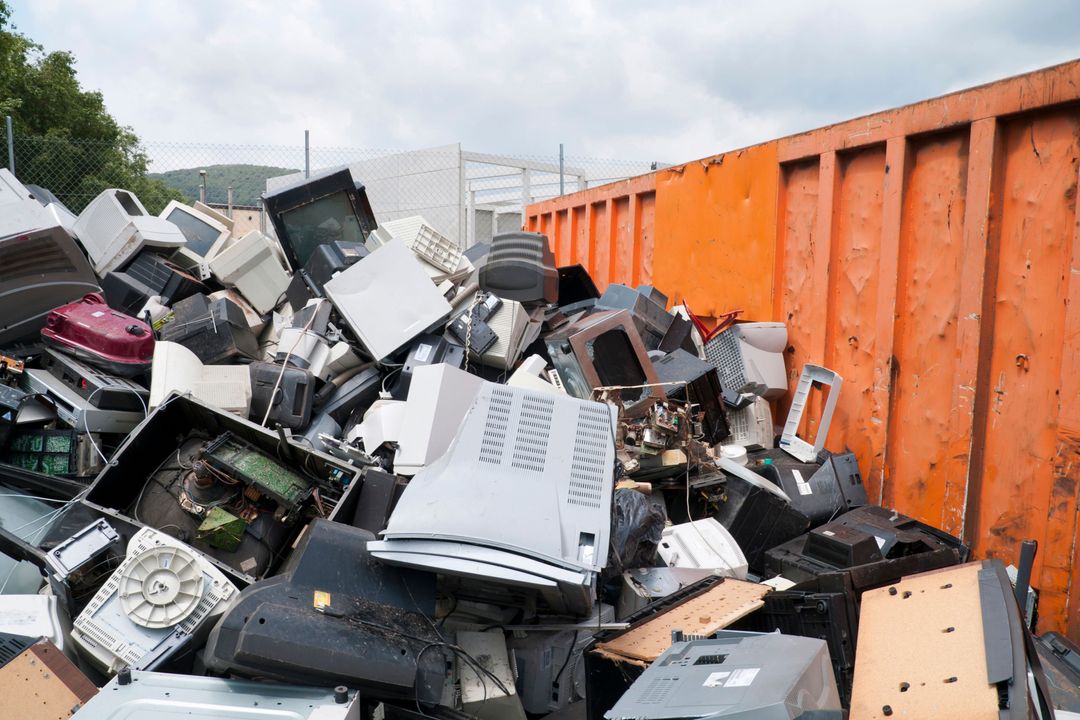
- Recycle responsibly – take the time to know what goes into recycling your things before you toss it into the blue bin. Or consider upcycling what can’t easily be recycled.
- Kill single-use – plastic is not biodegradable and should never be tossed after one use.
- Zero Waste – go extreme and curb all your consumption to minimize the waste you do create.
- Minimalism – zero waste too severe? Strive to do more with less because less is more. Think: the Zen of things.
- Extend lifecycles – not just with electronic devices; use things for as long as possible before upgrading.
- Donate things – clothing, appliances, and electronic devices are all bad for landfills. Donate to a good cause wherever possible and double up the sustainability points.
- Source properly – use recycled materials as the feed stock for making new things and go circular!
- Go green – extend sustainable thinking into every area of your life by doing things that will last longer or indefinitely. From relationships to energy use, being sustainable means it will withstand the test of time. We could all use a more sustainable outlook, don’t you think?
FEATURED
Join Sage at the Gartner IT Infrastructure, Operations & Cloud Strategies Conference 2026 in Las Vegas. Visit our booth to discover solutions that extend device lifecycles, reduce costs, maximize IT value, and support sustainability goals through repair, redeployment, refurbishment, remarketing, and recycling services.

MOST RECENT
Removing hard drives before IT asset disposal may seem like a security best practice, but it can create gaps in visibility. Explore the overlooked risks in data destruction policies and how organizations can build a more secure, auditable ITAD process.
Your input can help future organizations make confident IT asset disposition decisions. Share an honest review on Gartner Peer Insights and tell others about Sage’s customer service, support, capabilities, and implementation experience. Your feedback helps us improve while supporting your peers with valuable, real-world insights.
Rising technology costs are pushing organizations to rethink device management. A repair-first IT asset lifecycle strategy can significantly reduce costs, extend hardware lifecycles, improve employee productivity, and support sustainability goals by maximizing the value of existing devices before considering replacement or recycling.
04/11/2019
The word “sustainability” gets tossed around quite a bit in popular culture. And, as we gear up for Earth Day 2019—and with all that is going on in the world right now—it might behoove us to be more specific with what being sustainable really entails. This is critical since the true power of sustainability lies within small changes and incremental efforts made by hundreds of millions of people. So, I put together a quick list of 10 tangible ways you can be sustainable in your home and work life, to join the movement that will save our planet:
- Rethink your consumption – unsustainability starts with your purchase decision. If you don’t need it, don’t buy it. Reducing consumption is the number one way to help the environment.
- Choose to reuse – used products can be just as good—and cheaper—than a new model.
- Recycle responsibly – take the time to know what goes into recycling your things before you toss it into the blue bin. Or consider upcycling what can’t easily be recycled.
- Kill single-use – plastic is not biodegradable and should never be tossed after one use.
- Zero Waste – go extreme and curb all your consumption to minimize the waste you do create.
- Minimalism – zero waste too severe? Strive to do more with less because less is more. Think: the Zen of things.
- Extend lifecycles – not just with electronic devices; use things for as long as possible before upgrading.
- Donate things – clothing, appliances, and electronic devices are all bad for landfills. Donate to a good cause wherever possible and double up the sustainability points.
- Source properly – use recycled materials as the feed stock for making new things and go circular!
- Go green – extend sustainable thinking into every area of your life by doing things that will last longer or indefinitely. From relationships to energy use, being sustainable means it will withstand the test of time. We could all use a more sustainable outlook, don’t you think?
FEATURED
Join Sage at the Gartner IT Infrastructure, Operations & Cloud Strategies Conference 2026 in Las Vegas. Visit our booth to discover solutions that extend device lifecycles, reduce costs, maximize IT value, and support sustainability goals through repair, redeployment, refurbishment, remarketing, and recycling services.
MOST RECENT
Removing hard drives before IT asset disposal may seem like a security best practice, but it can create gaps in visibility. Explore the overlooked risks in data destruction policies and how organizations can build a more secure, auditable ITAD process.
Your input can help future organizations make confident IT asset disposition decisions. Share an honest review on Gartner Peer Insights and tell others about Sage’s customer service, support, capabilities, and implementation experience. Your feedback helps us improve while supporting your peers with valuable, real-world insights.
Rising technology costs are pushing organizations to rethink device management. A repair-first IT asset lifecycle strategy can significantly reduce costs, extend hardware lifecycles, improve employee productivity, and support sustainability goals by maximizing the value of existing devices before considering replacement or recycling.
Get Started. Reach Out Today.
"*" indicates required fields
Recommended Articles