11/04/2025
5 THINGS TO KNOW WHEN BUYING REFURBISHED ELECTRONICS

by Sage
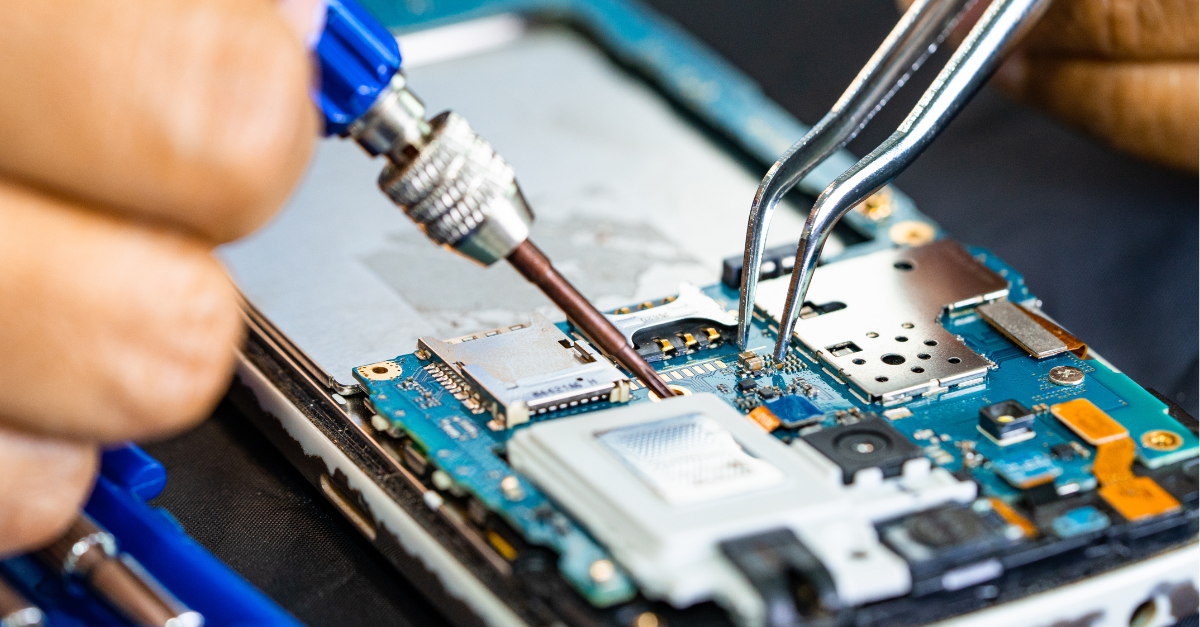
Buying refurbished devices is one of the smartest ways to reduce technology costs, extend the life of valuable electronics, and support a more circular economy. Whether you're purchasing a single laptop or outfitting an entire organization, choosing certified refurbished technology helps keep usable devices in circulation while reducing electronic waste.
-
- Find a reputable reseller - certifications are a good way to ensure compliance with higher standards, and with refurbishing, look for a designation from Microsoft. For example, Sage is a Microsoft Third Party Refurbisher.
- Look for a return policy - along with certifications, having a robust return policy usually denotes a reseller that can be trusted, because if you did a good job in the first place, you shouldn't have any issue with taking it back.
- Check the reviews - does the reseller post reviews or allow comments on their site? Or is there a Yelp! option for that company? Either way, you get a more honest insight into the way that company handles their business.
- Choose the right things to buy - this isn't as straightforward as your typical shopping venue, so take into consideration these two things:
- Where the reseller sources their products - are the products from corporate offices or do they come from someone's hobby shop?
- What grading scale they adhere to - A, B, & C are your typical grades; A being the best and C being usable but with significant cosmetic concerns. Anything below C and its buyer beware.
- Pay attention to package deals - though not a deal breaker, the potential for combined discounts can significantly impact your overall spend. For instance, we often have a surplus of items from one manufacturer or corporate client--like monitors--that wind up getting reduced significantly in an effort for us to move them through our inventory.
When you purchase refurbished devices, you not only access incredible cost savings, but you also help the planet. If you're purchasing a refurbished device for your business, ask the refurbisher about Environmental, Social, and Governance (ESG) credits that you might be able to cash in on. In the Sage shop, we offer specific ESG reporting so you can benefit doubly with your refurbished purchases.
Visit shop.sagese.com today and see what kind of deals we have in store.
FEATURED
Join Sage at the Gartner IT Infrastructure, Operations & Cloud Strategies Conference 2026 in Las Vegas. Visit our booth to discover solutions that extend device lifecycles, reduce costs, maximize IT value, and support sustainability goals through repair, redeployment, refurbishment, remarketing, and recycling services.

MOST RECENT
Removing hard drives before IT asset disposal may seem like a security best practice, but it can create gaps in visibility. Explore the overlooked risks in data destruction policies and how organizations can build a more secure, auditable ITAD process.
Your input can help future organizations make confident IT asset disposition decisions. Share an honest review on Gartner Peer Insights and tell others about Sage’s customer service, support, capabilities, and implementation experience. Your feedback helps us improve while supporting your peers with valuable, real-world insights.
Rising technology costs are pushing organizations to rethink device management. A repair-first IT asset lifecycle strategy can significantly reduce costs, extend hardware lifecycles, improve employee productivity, and support sustainability goals by maximizing the value of existing devices before considering replacement or recycling.
11/04/2025
5 THINGS TO KNOW WHEN BUYING REFURBISHED ELECTRONICS
by Sage
Buying refurbished devices is one of the smartest ways to reduce technology costs, extend the life of valuable electronics, and support a more circular economy. Whether you're purchasing a single laptop or outfitting an entire organization, choosing certified refurbished technology helps keep usable devices in circulation while reducing electronic waste.
-
- Find a reputable reseller - certifications are a good way to ensure compliance with higher standards, and with refurbishing, look for a designation from Microsoft. For example, Sage is a Microsoft Third Party Refurbisher.
- Look for a return policy - along with certifications, having a robust return policy usually denotes a reseller that can be trusted, because if you did a good job in the first place, you shouldn't have any issue with taking it back.
- Check the reviews - does the reseller post reviews or allow comments on their site? Or is there a Yelp! option for that company? Either way, you get a more honest insight into the way that company handles their business.
- Choose the right things to buy - this isn't as straightforward as your typical shopping venue, so take into consideration these two things:
- Where the reseller sources their products - are the products from corporate offices or do they come from someone's hobby shop?
- What grading scale they adhere to - A, B, & C are your typical grades; A being the best and C being usable but with significant cosmetic concerns. Anything below C and its buyer beware.
- Pay attention to package deals - though not a deal breaker, the potential for combined discounts can significantly impact your overall spend. For instance, we often have a surplus of items from one manufacturer or corporate client--like monitors--that wind up getting reduced significantly in an effort for us to move them through our inventory.
When you purchase refurbished devices, you not only access incredible cost savings, but you also help the planet. If you're purchasing a refurbished device for your business, ask the refurbisher about Environmental, Social, and Governance (ESG) credits that you might be able to cash in on. In the Sage shop, we offer specific ESG reporting so you can benefit doubly with your refurbished purchases.
Visit shop.sagese.com today and see what kind of deals we have in store.
FEATURED
Join Sage at the Gartner IT Infrastructure, Operations & Cloud Strategies Conference 2026 in Las Vegas. Visit our booth to discover solutions that extend device lifecycles, reduce costs, maximize IT value, and support sustainability goals through repair, redeployment, refurbishment, remarketing, and recycling services.
MOST RECENT
Removing hard drives before IT asset disposal may seem like a security best practice, but it can create gaps in visibility. Explore the overlooked risks in data destruction policies and how organizations can build a more secure, auditable ITAD process.
Your input can help future organizations make confident IT asset disposition decisions. Share an honest review on Gartner Peer Insights and tell others about Sage’s customer service, support, capabilities, and implementation experience. Your feedback helps us improve while supporting your peers with valuable, real-world insights.
Rising technology costs are pushing organizations to rethink device management. A repair-first IT asset lifecycle strategy can significantly reduce costs, extend hardware lifecycles, improve employee productivity, and support sustainability goals by maximizing the value of existing devices before considering replacement or recycling.
Get Started. Reach Out Today.
"*" indicates required fields
Recommended Articles

October 12, 2026
EVENT: Gartner® IT Infrastructure, Operations & Cloud Strategies Conference 2026
Join Sage at the Gartner IT Infrastructure, Operations & Cloud Strategies Conference 2026 in Las Vegas. Visit our booth to discover solutions that extend device lifecycles, reduce costs, maximize IT value, and support sustainability goals through repair, redeployment, refurbishment, remarketing, and recycling services.
July 21, 2026
Share Your Sage Experience on Gartner Peer Insights™
Your input can help future organizations make confident IT asset disposition decisions. Share an honest review on Gartner Peer Insights and tell others about Sage’s customer service, support, capabilities, and implementation experience. Your feedback helps us improve while supporting your peers with valuable, real-world insights.
July 14, 2026
How to Reduce IT Costs with a Repair-First Strategy
Rising technology costs are pushing organizations to rethink device management. A repair-first IT asset lifecycle strategy can significantly reduce costs, extend hardware lifecycles, improve employee productivity, and support sustainability goals by maximizing the value of existing devices before considering replacement or recycling.