06/28/2024
Water And It Asset Management: A Great Combination?

HOW DO WATER AND ITAM COORELATE?
As you approach the management of anything from a sustainable angle, it can be eye-opening to discover the environmental ramifications. There is almost nothing you own, for example, that hasn’t required water to be produced. From clothes and food to cars and smartphones, everything manufactured uses water.
So, with every electronic device your company purchases, there is a water history tied to it—an environmental aspect that wasn’t obvious.
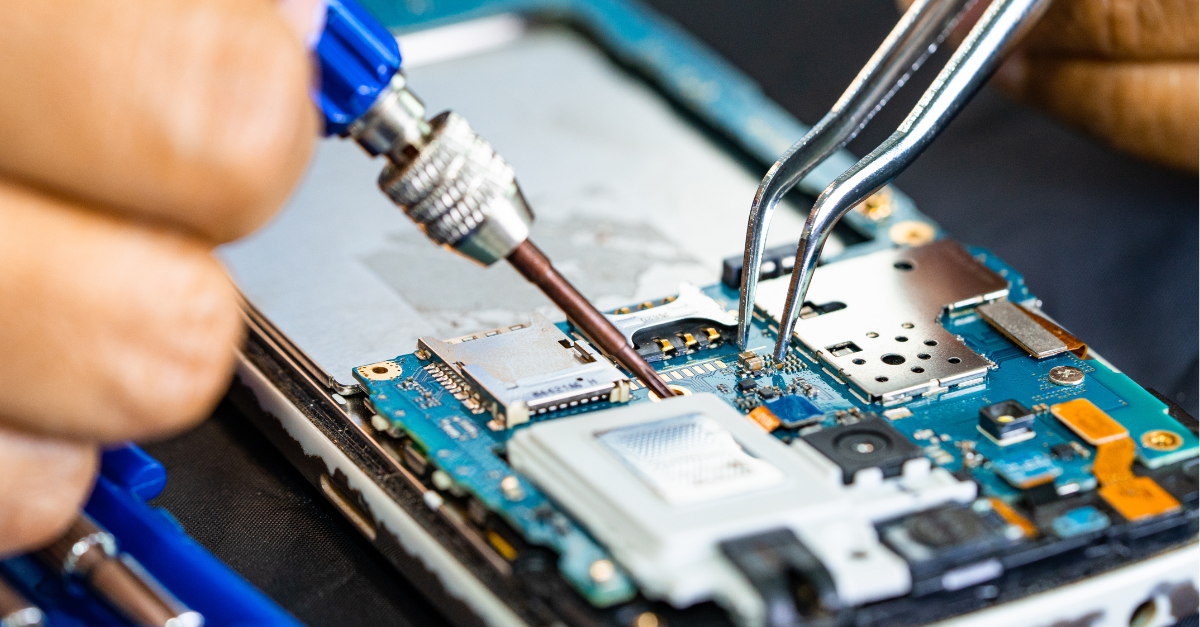
The technical terms of this water legacy are "virtual water" or "water footprint" and, when talking about IT assets, it relates to the untold gallons of water needed to manufacture, package, and even market the device. Some of the water-consuming processes include mining materials, creating packing, washing components, cooling equipment, etc.
More concerning is that those processes often require fresh water—an extremely limited resource across the globe. In fact, less than .05% of the water on the earth is suitable for human consumption.
So, knowing this correlation, the need to use fresh water to create technology should have a greater impact on the environmental responsibility of your company when it comes time to upgrade IT systems.
TECHNOLOGY MAY NOT BE SCARce, BUT IT IS PRECIOUS
The other way technology correlates with water is in just how precious they both are.
As a whole, it seems our society is continually astounded with the potential for technology to solve our problems. And manufacturers tempt us with newer models and amazing advancements each year. But the potential of these devices is unlike anything else in all of history—making what tech can do an extremely precious resource.
Just think about the lifecycle of a well-managed IT asset. It starts out helping your company crunch numbers, create spreadsheets, and secure customers. Then, after the next upgrade, those devices might go to the intern or field office for (hopefully) a period of similar productivity. Tons of computing that creates a lot of revenue for your business.
Once those devices reach their end-of-life for your company, they often, tragically, get shipped off to a recycler or thrown away. But that’s not all those electronic devices can do! With the right ITAM program, those devices could go on to generate more revenue for your company as a refurbished device sold to the general public.
Or, you might add to your Environmental, Social, & Governance (ESG) rating by donating the end-of-life electronics. This can often do more than just make you feel good; tangible benefits such as meeting CRA (Community Reinvestment Act) obligations or tripling your gift-in-kind on taxable donations make donating equipment a prudent business activity.
CONSCIENTIOUS ITAM JUSTIFIES THE INVISIBLE WATER COSTS
When you realize the amount of fresh water needed to put that computer on your desk—or the desks of your employees—it only makes sense to amortize the expenditure for as long as possible, right? We’re talking more than just the initial cost of acquisition. It’s also a cost directly tied to a massive global concern.
Of course, there are things that you can do internally to help maximize the value of the IT assets you use. To see some excellent examples of this kind of action, check out ITAM Secrets. The author was able to do a lot more than most ITAM professionals simply because he approached his job from a sustainability angle.
If you’re having trouble making the most of your IT assets, or if you’ve got everything but the end-of-life dispositioning part handled, work with a partner like Sage who will put in the extra effort to make your devices do more for your company—and for other people.
FEATURED
Join Sage at the Gartner IT Infrastructure, Operations & Cloud Strategies Conference 2026 in Las Vegas. Visit our booth to discover solutions that extend device lifecycles, reduce costs, maximize IT value, and support sustainability goals through repair, redeployment, refurbishment, remarketing, and recycling services.

MOST RECENT
Removing hard drives before IT asset disposal may seem like a security best practice, but it can create gaps in visibility. Explore the overlooked risks in data destruction policies and how organizations can build a more secure, auditable ITAD process.
Your input can help future organizations make confident IT asset disposition decisions. Share an honest review on Gartner Peer Insights and tell others about Sage’s customer service, support, capabilities, and implementation experience. Your feedback helps us improve while supporting your peers with valuable, real-world insights.
Rising technology costs are pushing organizations to rethink device management. A repair-first IT asset lifecycle strategy can significantly reduce costs, extend hardware lifecycles, improve employee productivity, and support sustainability goals by maximizing the value of existing devices before considering replacement or recycling.
06/28/2024
Water And It Asset Management: A Great Combination?
HOW DO WATER AND ITAM COORELATE?
As you approach the management of anything from a sustainable angle, it can be eye-opening to discover the environmental ramifications. There is almost nothing you own, for example, that hasn’t required water to be produced. From clothes and food to cars and smartphones, everything manufactured uses water.
So, with every electronic device your company purchases, there is a water history tied to it—an environmental aspect that wasn’t obvious.
The technical terms of this water legacy are "virtual water" or "water footprint" and, when talking about IT assets, it relates to the untold gallons of water needed to manufacture, package, and even market the device. Some of the water-consuming processes include mining materials, creating packing, washing components, cooling equipment, etc.
More concerning is that those processes often require fresh water—an extremely limited resource across the globe. In fact, less than .05% of the water on the earth is suitable for human consumption.
So, knowing this correlation, the need to use fresh water to create technology should have a greater impact on the environmental responsibility of your company when it comes time to upgrade IT systems.
TECHNOLOGY MAY NOT BE SCARce, BUT IT IS PRECIOUS
The other way technology correlates with water is in just how precious they both are.
As a whole, it seems our society is continually astounded with the potential for technology to solve our problems. And manufacturers tempt us with newer models and amazing advancements each year. But the potential of these devices is unlike anything else in all of history—making what tech can do an extremely precious resource.
Just think about the lifecycle of a well-managed IT asset. It starts out helping your company crunch numbers, create spreadsheets, and secure customers. Then, after the next upgrade, those devices might go to the intern or field office for (hopefully) a period of similar productivity. Tons of computing that creates a lot of revenue for your business.
Once those devices reach their end-of-life for your company, they often, tragically, get shipped off to a recycler or thrown away. But that’s not all those electronic devices can do! With the right ITAM program, those devices could go on to generate more revenue for your company as a refurbished device sold to the general public.
Or, you might add to your Environmental, Social, & Governance (ESG) rating by donating the end-of-life electronics. This can often do more than just make you feel good; tangible benefits such as meeting CRA (Community Reinvestment Act) obligations or tripling your gift-in-kind on taxable donations make donating equipment a prudent business activity.
CONSCIENTIOUS ITAM JUSTIFIES THE INVISIBLE WATER COSTS
When you realize the amount of fresh water needed to put that computer on your desk—or the desks of your employees—it only makes sense to amortize the expenditure for as long as possible, right? We’re talking more than just the initial cost of acquisition. It’s also a cost directly tied to a massive global concern.
Of course, there are things that you can do internally to help maximize the value of the IT assets you use. To see some excellent examples of this kind of action, check out ITAM Secrets. The author was able to do a lot more than most ITAM professionals simply because he approached his job from a sustainability angle.
If you’re having trouble making the most of your IT assets, or if you’ve got everything but the end-of-life dispositioning part handled, work with a partner like Sage who will put in the extra effort to make your devices do more for your company—and for other people.
FEATURED
Join Sage at the Gartner IT Infrastructure, Operations & Cloud Strategies Conference 2026 in Las Vegas. Visit our booth to discover solutions that extend device lifecycles, reduce costs, maximize IT value, and support sustainability goals through repair, redeployment, refurbishment, remarketing, and recycling services.
MOST RECENT
Removing hard drives before IT asset disposal may seem like a security best practice, but it can create gaps in visibility. Explore the overlooked risks in data destruction policies and how organizations can build a more secure, auditable ITAD process.
Your input can help future organizations make confident IT asset disposition decisions. Share an honest review on Gartner Peer Insights and tell others about Sage’s customer service, support, capabilities, and implementation experience. Your feedback helps us improve while supporting your peers with valuable, real-world insights.
Rising technology costs are pushing organizations to rethink device management. A repair-first IT asset lifecycle strategy can significantly reduce costs, extend hardware lifecycles, improve employee productivity, and support sustainability goals by maximizing the value of existing devices before considering replacement or recycling.
Get Started. Reach Out Today.
"*" indicates required fields
Recommended Articles

October 12, 2026
EVENT: Gartner® IT Infrastructure, Operations & Cloud Strategies Conference 2026
Join Sage at the Gartner IT Infrastructure, Operations & Cloud Strategies Conference 2026 in Las Vegas. Visit our booth to discover solutions that extend device lifecycles, reduce costs, maximize IT value, and support sustainability goals through repair, redeployment, refurbishment, remarketing, and recycling services.
July 21, 2026
Share Your Sage Experience on Gartner Peer Insights™
Your input can help future organizations make confident IT asset disposition decisions. Share an honest review on Gartner Peer Insights and tell others about Sage’s customer service, support, capabilities, and implementation experience. Your feedback helps us improve while supporting your peers with valuable, real-world insights.
July 14, 2026
How to Reduce IT Costs with a Repair-First Strategy
Rising technology costs are pushing organizations to rethink device management. A repair-first IT asset lifecycle strategy can significantly reduce costs, extend hardware lifecycles, improve employee productivity, and support sustainability goals by maximizing the value of existing devices before considering replacement or recycling.